What it is
A mattress encasement is a zippered cover that wraps all six sides of the mattress. The idea is simple. Dust mites and their droppings, the actual source of the allergen, stay sealed inside. You sleep on the barrier instead of the mattress.
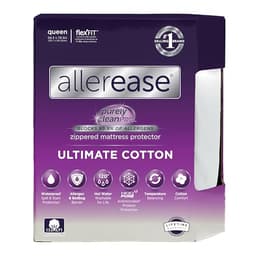
The item we link to is the AllerEase Ultimate Allergy Protection and Comfort Zippered Mattress Protector in Queen. AllerEase is a bedding brand built around allergy protection, and this model zips closed around the mattress. Other sizes are on the listing; pick the one that matches your bed and mattress depth. It contains no drugs.
How well it works
This is where honesty matters. There are two separate questions.
Does it block allergen? Yes, if the fabric is tight enough. Lab testing found fabrics with an average pore size under 10 microns blocked dust mite allergen below detectable levels PMID: 9949312. The listing we link to doesn't state a pore size in its title, so check the product details for the fabric's allergen-barrier claim or test result.
Does it improve symptoms on its own? The trials say no:
- In a large randomized trial of 1,122 adults with asthma, allergen-proof bed covers lowered mite allergen in the mattress at 6 months. But lung function and steroid use were no different from ordinary covers PMID: 12867606.
- A Cochrane review of dust mite measures for allergic rhinitis concluded that impermeable bedding "as an isolated intervention is unlikely to offer clinical benefit." Broader bedroom control programs looked more promising, but most trials were small and of poor quality PMID: 20614426.
Why buy one, then? Because the U.S. allergy practice parameter still recommends mattress, box spring and pillow encasings, as part of a multi-step plan. It notes that covers alone are unlikely to help unless combined with other measures PMID: 24267359.
Downsides and practical tips
- It isn't a standalone fix. If this is the only change you make, expect little difference.
- Sheets and pillowcases still collect allergen. Encasings don't protect them PMID: 24267359. Wash bedding weekly. Water at 55°C (about 130°F) or hotter kills all mites, and even a cold wash removed most of the allergen in one study PMID: 1401643.
- Check the care label before hot washing or drying the encasement itself. Barrier fabrics can be heat-sensitive.
- Keep the zipper fully closed. A gap defeats the seal.
- Tightly woven barrier fabrics can feel warmer than plain fabric for some sleepers.
Encasement vs. pillow covers
Pillows are the other bedding item guidelines say to encase PMID: 24267359. Pillow covers are cheaper and sit closer to your face. But the mattress holds far more material, so start here and add pillow covers next. The two work as a pair.
The rest of the plan
The allergy practice parameter's most effective combination includes humidity kept at 35% to 50%, regular washing of bedding, regular vacuuming with a high-efficiency vacuum, and mattress and pillow encasings PMID: 24267359. If symptoms continue, medication treats the reaction that environmental steps can't fully prevent.
Who should buy it
Buy it if testing has confirmed a dust mite allergy, your symptoms are worse at night or on waking, and you're ready to follow a full bedroom plan.
Skip it if you expect a cover to fix symptoms on its own, or if your allergy isn't to dust mites.
Pair it with pillow covers and, if needed, a daily antihistamine like Xyzal. See our Best Dust Mite Covers guide for more.