rx-allergyrelief.com

Blueair Blue Pure 211i Max Review

Updated 2026-09-25 · 4 min read · Sources linked in the text

Advertising disclosure: We earn a commission when you buy through links on this page, at no extra cost to you. It never changes our rankings — we disclose the exact commission next to every recommendation. See our full disclosure.

Our verdict

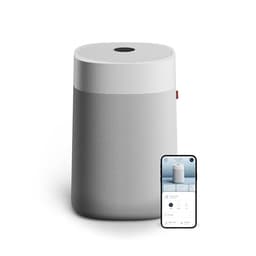
Blueair Blue Pure 211i Max product photo

Blueair Blue Pure 211i Max

Grade CLimited evidence

The Blueair 211i Max moves a lot of air quietly for its size, making it a good fit for large open living spaces. It's also the most expensive purifier we cover, and it uses Blueair's own HEPASilent standard rather than a True HEPA filter. Like any purifier, it lowers airborne allergen more reliably than it relieves symptoms.

$349.00

Amazon price as of Sep 25

Check price on Amazon

We earn 1-4%/sale if you sign up · See all commissions

Best for

  • Large open-plan living areas
  • Quiet at low-to-medium speeds

Skip it if

  • Small bedrooms
  • You specifically want a True HEPA filter
Blueair Blue Pure 211i Max key facts
Active ingredientHEPASilent filtration (drug-free)
FormLarge-room air purifier
Works inCleans room air within hours of running
How to useRun continuously; replace the filter per the indicator
AgesAny age
Exact item we link toBlueair Blue Pure 211i Max smart air purifier
Price$349.00 (amazon price as of sep 25)

How we got 3.2

3.0
Evidence grade C (limited evidence). HEPA cleaners reliably cut airborne allergen, but symptom benefit is inconsistent: positive in a cat-exposure chamber trial (PMID 40246248), no change in asthma control in a home RCT (PMID 36288782).
+0.2
Practical adjustment. Very high airflow for large spaces and quiet at lower speeds (louder on high), but priciest here, and HEPASilent is Blueair's own filter standard rather than True HEPA.

Scores are calculated, not hand-picked: evidence first, with a small adjustment for side effects, convenience, and value. How we rate

What the Blueair 211i Max is

The Blue Pure 211i Max is a large-room smart purifier. It has Wi-Fi, an auto mode driven by a built-in particle sensor, and a washable fabric pre-filter that wraps around the unit. Inside is one combined filter cartridge.

The key difference from the other purifiers we cover is the filter. Blueair uses HEPASilent, its own filtration standard, which Blueair says combines mechanical filtration with electrostatic charging. It is not sold as a True HEPA filter. That doesn't mean it cleans air poorly, but you're relying on Blueair's own performance claims rather than the True HEPA label.

How well it works

Cleaning the air: portable purifiers reliably reduce airborne allergen when sized to the room. In a Dyson-funded exposure-chamber trial, air cleaners cut airborne cat allergen by more than 80% PMID: 40246248. Note that the trials below tested HEPA units from other brands, not the Blueair.

Relieving symptoms: mixed. In that chamber trial, 30 cat-allergic people had fewer nose and eye symptoms with an active purifier than with a placebo PMID: 40246248. A home trial of 50 adults with asthma found a purifier improved air quality over 78 weeks without improving asthma control PMID: 36288782. A systematic review of 10 small trials found slightly lower symptom scores with air filters, but no change in medication use and a lot of variation between studies PMID: 12426250.

Best for: pollen and pet dander in big shared spaces. Least useful for: dust mites. Mite allergen rides on heavy particles that settle within about 20 to 30 minutes, and an allergy practice parameter calls HEPA filtration alone of uncertain benefit for mite allergy PMID: 24267359.

Room size: 3,235 sq ft vs. real-world sizing

The listing says it works in "large rooms up to 3,235 sq ft". Figures like that describe the area a purifier can clean about once per hour. For allergy control you want several air changes per hour. AHAM's room-size guidance assumes about five, which gives a much smaller figure. Our air purifier roundup sizes the 211i Max for roughly 635 square feet, the same class as the Levoit Core 600S.

Getting the most from it:

  • Use it where the space is actually large and open. In a small bedroom you're paying for airflow you won't use.
  • Run it continuously on auto.
  • Vacuum or wash the fabric pre-filter to keep airflow up, and replace the main cartridge when prompted.
  • Close windows on high-pollen days.

Downsides

  • Price. At $300–350, it's the most expensive unit we cover.
  • Not True HEPA. If that label matters to you, pick another model.
  • Whole-cartridge replacement. You can't swap just one worn layer.
  • Louder at full speed than mid-size units, per our roundup.
  • Not a treatment. An antihistamine or a steroid spray like Flonase does more for nasal symptoms.

Blueair 211i Max vs. Levoit Core 600S

Our roundup sizes these two for a similar large room. The Core 600S costs less, uses a True HEPA filter, and shows a live PM2.5 reading. The Blueair costs more and uses HEPASilent. Its advantages are high airflow with quiet running at lower settings, and a design some people prefer in an open living space. For most buyers the 600S is the better value. For a mid-size room, the Winix 5510 or Coway Mighty costs less than either.

Who should buy it

Buy the Blueair 211i Max for a large open-plan living area if quiet running at high airflow matters to you and you're comfortable with Blueair's own filter standard.

Buy the Levoit Core 600S instead if you want True HEPA for less.

Skip it for a small bedroom (the Core 300S is enough), or if you're hoping it will replace allergy medication.

Pros

  • High airflow for large, open rooms
  • Quiet for the amount of air it moves at lower settings
  • Wi-Fi, auto mode, and a built-in particle sensor
  • Washable fabric pre-filter

Cons

  • Priciest purifier in our lineup
  • HEPASilent is Blueair's own standard, not True HEPA
  • One combined cartridge, so you replace the whole thing
  • Overkill for a small bedroom

Blueair Blue Pure 211i Max

Blueair Blue Pure 211i Max smart air purifier

Check price on Amazon

We earn 1-4%/sale if you sign up · See all commissions

How it compares

ProductScoreWorks inBest for
Blueair Blue Pure 211i Max (this review)3.2 · CCleans room air within hours of runningLarge open-plan living areas
Levoit Core 600S3.2 · CCleans room air within hours of runningLiving rooms and open-plan spaces
Winix 5510 (5500-2 successor)3.2 · CCleans room air within hours of runningLiving rooms and larger bedrooms
Coway Airmega AP-1512HH Mighty3.3 · CCleans room air within hours of runningBedrooms and living rooms

Frequently asked questions

Is HEPASilent the same as True HEPA?

No. True HEPA refers to a filter that meets a defined efficiency standard for particles around 0.3 microns. Blueair describes HEPASilent as its own technology, combining mechanical filtration with electrostatic charging. Blueair makes performance claims for it, but it isn't the same label. If you specifically want True HEPA, choose a model sold that way.

Does the Blueair 211i Max really cover 3,235 square feet?

Only as a once-per-hour figure. For allergy control you want room air cleaned several times an hour, which is a much smaller room. Our roundup sizes it for roughly 635 square feet, a large open living area.

Is the Blueair 211i Max quiet?

It's quiet for how much air it moves on its lower settings. Our roundup notes the top fan speed is noticeably louder than mid-size purifiers, so for sleeping you'll likely run it on a lower setting or auto.

Will it help my allergies?

It will lower airborne pollen and dander in the room. Trials show that cleaner air sometimes, but not always, means fewer symptoms. Keep taking medication that works and use the purifier on top.

See it ranked against the competition

Best Air Purifiers for Allergies →